TrendMD outperforms Twitter in engaging website visitors and lowering the bounce rate
TrendMD beat Twitter with a 9.25% bounce rate in a Springer Nature campaignâboosting discovery and content engagement.
Articles in the TrendMD network enjoy an enduring citation increase over 36 months, according to a recent follow-up study
TrendMD users saw a 28% citation increase in 36 months. Discover the long-term impact on scholarly visibility.
Readers continue to value related articles above other website features: New survey results
Readers value related articles most. TrendMDâs AI recommendations enhance engagement and site satisfaction.
TrendMD at SSPâs 43rd annual meeting
At SSPâs 43rd Meeting, TrendMD sponsored the keynote and shared results of a 12-month citation impact study.
Industry Buzz: People are talking about TrendMD
TrendMD is recognized as a key discovery tool in scholarly publishing, improving marketing and citation outcomes.
Scientific communication in the age of Coronavirus
TrendMD boosted Covid-19 research visibility with targeted recommendations and high-performing awareness campaigns.
Stakeholders in discovery
At SSP, TrendMD shared how discovery tools improve engagement and visibility for scholarly publishers and authors.
PracticeUpdate uses TrendMD to drive healthcare practitioner conversions
PracticeUpdate used TrendMD to hit a 7.9% HCP conversion rateâexceeding registration goals through targeted distribution.
TrendMD drives a 77% increase in Mendeley saves
TrendMD boosted Mendeley saves by 77% in a JMIR studyâshowing visibility increases reference manager usage and citations.
Case study: âCirculationâ medical journal goes social for 6 months
See why social media failed to boost views in a study on âCirculationâ journal. TrendMD delivers better results.
New milestone: +500 million scholarly articles recommended per month
TrendMD now recommends 500M articles monthly. Discover how new publishers like AAAS and De Gruyter fuel this growth.
Elsevier’s monthly budget resulted in over 500% ROI with Clinics Review Articles (The Clinics)
Clinics Review Articles achieved 15% more PPV revenue and 5x ROI using TrendMD’s recommendation engine.
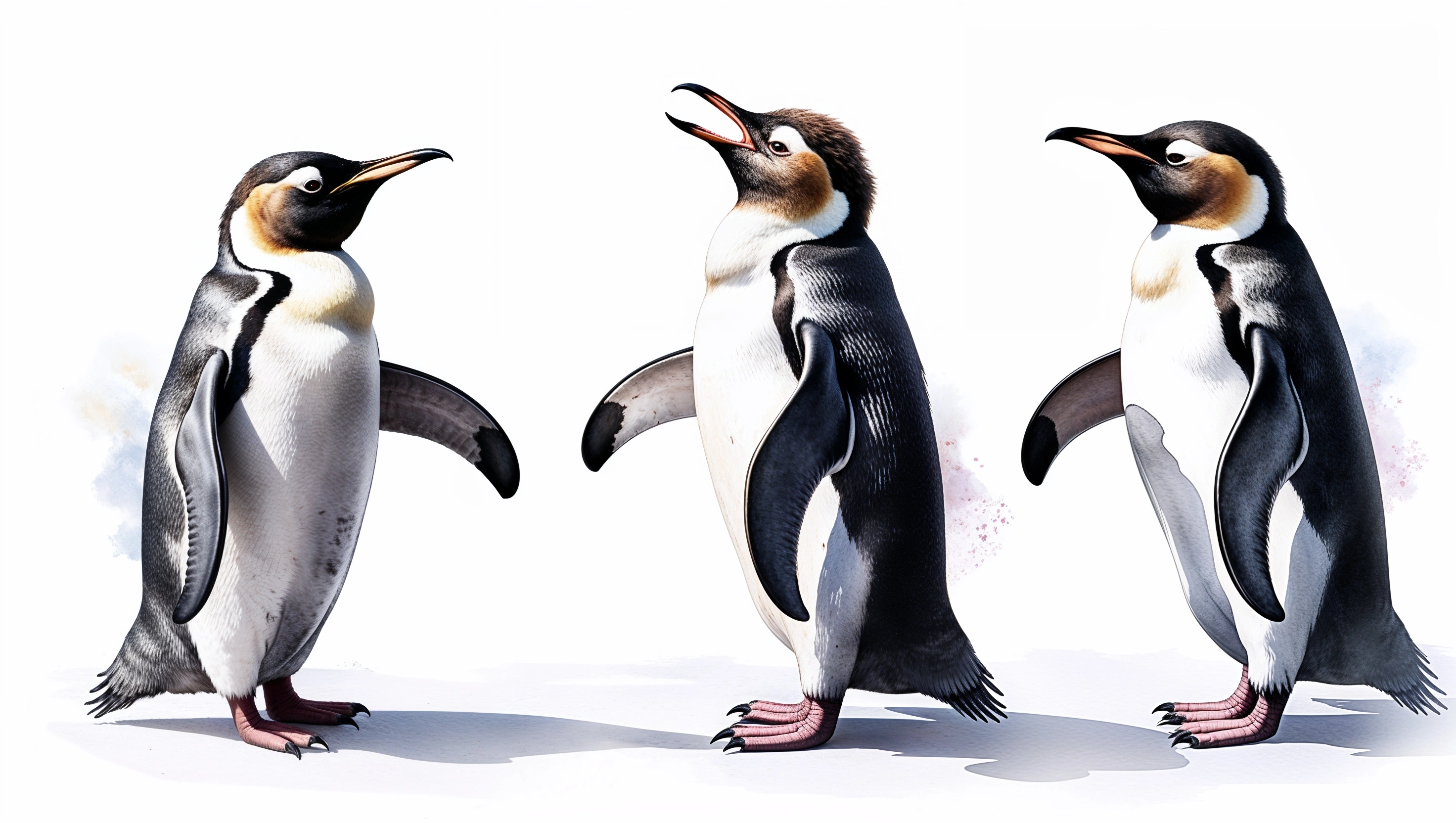
What do penguins have in common with academic publishing?
What do penguins and publishing share? TrendMD’s filtering tech connects readers with the most relevant academic content.
TrendMD provides higher reader engagement than Google Scholar or Twitter
TrendMD drives 2x more engagement than Google Scholar and 3x more than Twitter. Learn how it outperforms other channels.
Welcoming the Royal Society to the TrendMD network
Royal Society journals joined TrendMDâs network to improve discoverability and reader targeting with recommendations.
Use TrendMD to increase the readership of your smaller journals
ADA boosted journal traffic by 8.5% with TrendMDâs Professional Planâenhancing discoverability for smaller publications.
What feature do readers find most useful in journal articles? Related articles...
Related articles are most valued by readers. TrendMDâs recommendations improve content discovery and user experience.
Immediate increase in readership for Ingentaâs publishers signals the significant impact of TrendMD
TrendMD drove a 17% traffic boost for Ingenta publishers. See how recommendations enhance scholarly visibility.
How to increase the readership of your journals using TrendMD
Learn how TrendMD drives journal readership, increases article views, and improves retention through smart targeting.
Ingenta partners with TrendMD and adds 96 journals and 65,000 articles to the TrendMD Network
Ingenta joined TrendMD’s network, adding 96 journals. See how the partnership boosted visibility and engagement.
âWhat now?â: TrendMD guides readers to the most relevant further reading
TrendMD increased CTR by 272% with collaborative filtering. See how it guides readers to the most relevant further reading.
TrendMD drives a 28% increase in weekly pageviews for BMJ Open articles
TrendMD increased weekly BMJ Open article views by 28% via paid and unpaid campaigns. See how distribution impacts visibility.
Separating the signal from the noise: how personalized recommendations can help
TrendMD boosts CTR with personalized recommendations, using AI to help readers discover relevant content faster.
Publishers: Attract new readers with cross-publisher promotion
TrendMDâs cross-publisher promotion helps attract new readers and grow usage by up to 15% each month.
How to grow the reach of your scholarly articles by 87%
TrendMD boosts article visibility by 87% through personalized recommendations and smart content discovery.
Recommendations help readers find articles worth saving (and citing)
TrendMD drives engagement, saves, and citationsâhelping scholarly journals boost their Impact Factor.
What is content discovery, and why is it important?
What is content discovery? Learn how TrendMD helps scholarly publishers boost visibility, engagement, and citations.
7 ways to get your scholarly content noticed
Discover 7 strategies to boost scholarly content visibility using TrendMD, social media, and email marketing.
Scholarly authors want more visibility
Open-access publishing improves discoverability, lowers costs, and boosts visibility through platforms like TrendMD.
Most related â Most interesting
Related articles aren't always best. See how TrendMD uses personalization to boost relevance and academic engagement.
2 easy steps to embed TrendMD onto any webpage
Embed the TrendMD widget in 2 steps to boost article visibility on Google and Google Scholar.
New feature release: Widget customization
TrendMD now lets publishers customize widgets, highlight articles, and control how content is promoted across journals.
Welcome
Explore TrendMDâs official blog and releases with JMIR and Taylor & Francis. Find tools and insights for scholarly publishing.
TrendMD at SSP’s 43rd annual meeting
Case study: ‘Circulation’ medical journal goes social for 6 months
“What now?”: TrendMD guides readers to the most relevant further reading
Immediate increase in readership for Ingenta’s publishers signals the significant impact of TrendMD
Most related ≠ Most interesting


































.webp)